2025 Formula 1 team ratings, part two: Mercedes to Williams
Advertisement
I know you’re all already thinking about 2026 and what the new regulations have in store, but the holidays are about tradition (and, you know, a bit of planning), so it’s the point in the year when I like to be judgmental about all of the teams and reflect on how their respective seasons stack up. Picking out both good and bad aspects for each team, the scoring is obviously never contentious…
The good: Mercedes improved to second in the constructors’ championship, and that didn’t look all that likely a year ago. George Russell was once again a standout performer and remains ready to fight for a title if given the machinery, as he took his only two realistic chances to win a race this year.
Kimi Antonelli also developed impressively and started to repay the faith shown in him at such a young age, with his performances towards the end of the season particularly eye-catching. Credit needs to go for Mercedes for taking the pressure off the Italian, as it does for building a better all-round car that did not suffer the lows of 2024. Only once all season did it fail to score points.
The bad: Making the car more consistent also appeared to iron out the peaks the team previously enjoyed, and there was a misstep in development when it came to the suspension mid-season. Toto Wolff admitted the rear suspension tripped the team up, despite the strong weekend in Canada, and it didn’t stay on the car all year.
With the same power unit as McLaren, there was also still a clear deficit in performance and although the regulations will change next year, it’s a worrying sign that Mercedes never got on top of the ground effect cars across the past four seasons.
The good: Unlike Red Bull, Racing Bulls just knows how to build a car that its drivers could handle on the majority of circuits. Far more consistency than there was in 2024, even with another mid-season driver change. Perhaps helped by the fact that swap between Yuki Tsunoda and Liam Lawson occurred so early, Racing Bulls provided the environment for the New Zealander to find his feet again. and nurtured an extremely impressive talent in Isack Hadjar.
It wasn’t just the drivers that were changing, though, with Laurent Mekies moving up to Red Bull and Alan Permane taking on the team principal’s job with aplomb. It was a seamless transition, as evidenced by the excellent podium for Hadjar in Zandvoort coming just three races into Permane’s leadership.
The bad: There were still a few missed opportunities, with the team losing its way a little for a short run of races from Singapore onwards. Probably unfair to point this specifically at the team (rather than Red Bull itself as team owner), but the lack of stability around the driver line-up also never helps create continuity.
Advertisement
Hadjar was outscored 18-13 by Lawson over the final third of the season, perhaps suggesting more development time wouldn’t hurt him be best-placed to succeed when given a Red Bull seat in future, but the constant need to justify the team’s role as a home for junior drivers means he’s next into the fire alongside Max Verstappen after just one year, and Arvid Lindblad – another great talent who didn’t necessarily need rushing – is in.
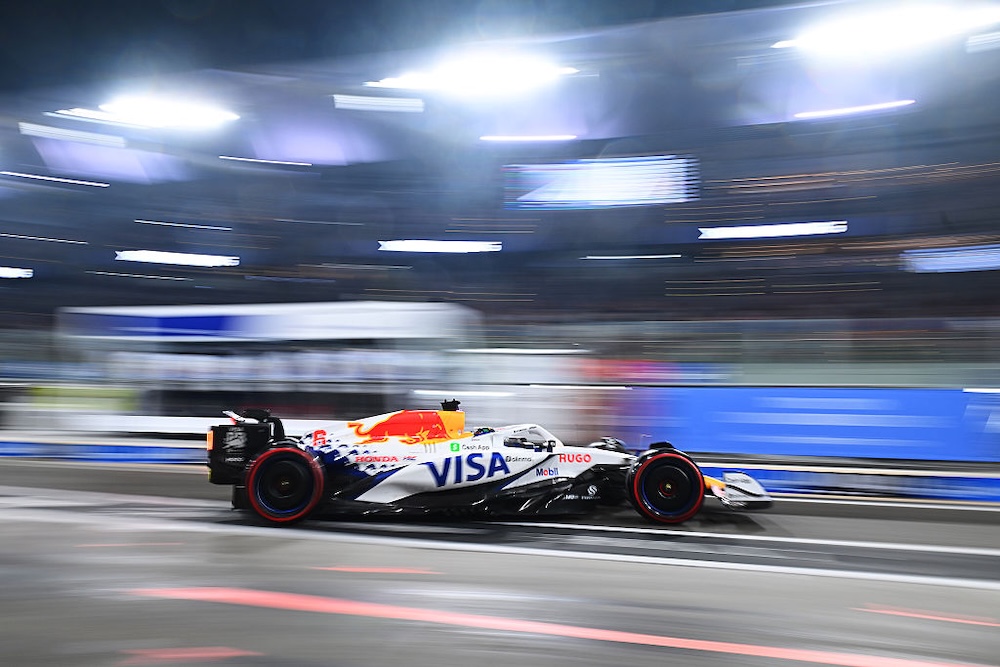
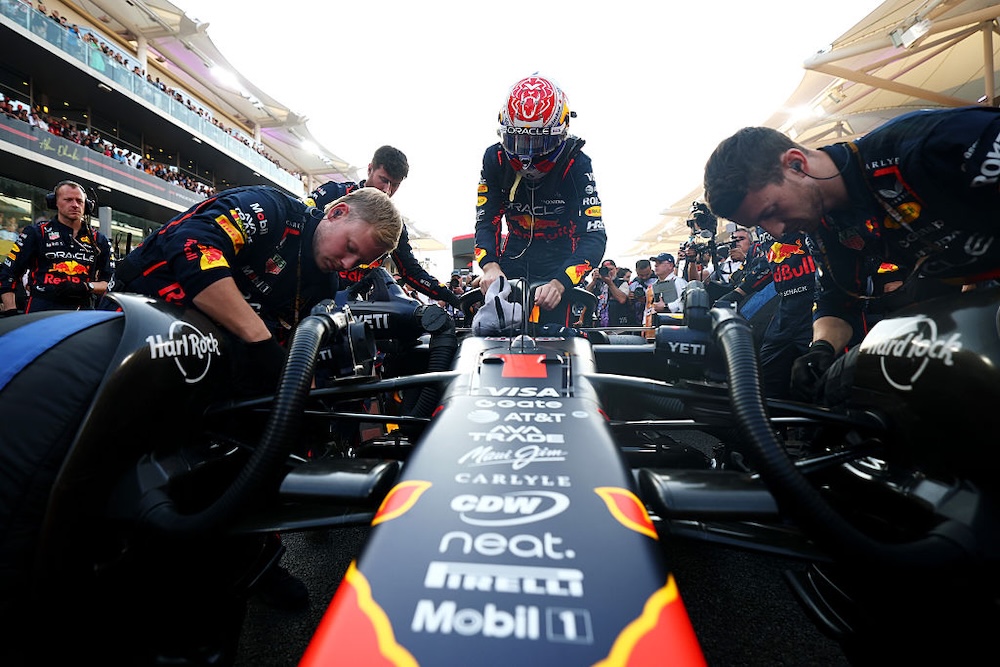
The good: The turnaround from Monza onwards was spectacular. Red Bull picked up two wins when given the chance with Max Verstappen in the first part of the year, but when the car was upgraded in Italy it went on a tear that so nearly produced the biggest championship comeback ever seen.
Execution was also excellent on Verstappen’s side of the garage, taking advantage of any mistake from McLaren as the pressure grew, and getting within two points of the title. Resolving many of the car issues from the previous 12 months is also a major positive, and should not be overlooked amid all of the off-track turmoil the team faced.
The bad: The first part of the year was so inconsistent, and when the car was bad it was really bad. The handling of Liam Lawson was appalling – both choosing him over Tsunoda and then giving him just two races on such a difficult side of the garage – and the second driver problem was never resolved.
Christian Horner’s departure was followed by Helmut Marko’s at the end of the season and showed up the leadership problems that were being faced, and ultimately the performance for the first part of the season prevented a fifth straight title going Verstappen’s way. As impressive as the recovery was, it still fell just short, and could be its final chance for a little while unless Red Bull surprises with its debut power unit next year.
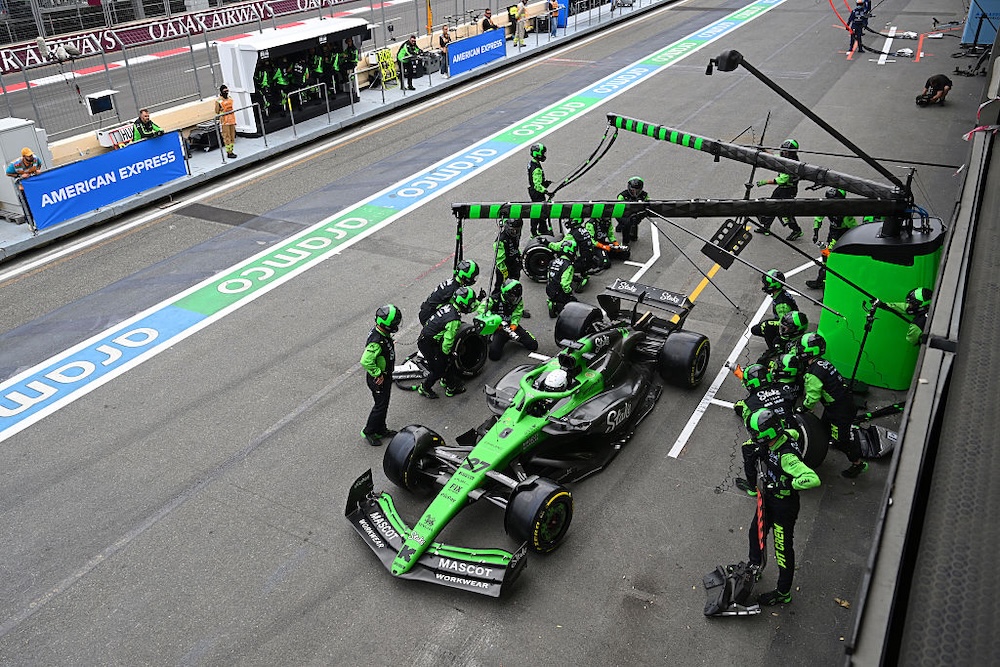
The good: What could have been a write-off year as Sauber transitioned from Stake Kick Sauber to Audi was anything but, with some very encouraging signs. The start of the year looked relatively bleak despite Nico Hulkenberg’s seventh place in Melbourne, but then came a very impressive upgrade in Barcelona and the entire complexion changed.
Not only did it make Sauber far more competitive, it showed the car development department is operating effectively, boding well for its future. Third at Silverstone was a brilliant result for Hulkenberg – not only a long-overdue podium for the German but also for the team – and Gabriel Bortoleto looked a star in the making for much of the year.
The bad: The start to the season left Sauber with too much to do for a better championship position. There were only four race weekends when they failed to score after introducing the Barcelona upgrade, but scoring just six points in the first third of the year was costly.
Bortoleto also struggled in the latter part of the year, particularly with two crashes during his home race weekend in Brazil, as he scored just a solitary point after the European season ended. That was just a reminder that he is a rookie and will improve further with time, but Hulkenberg also had some qualifying issues that will need rectifying.
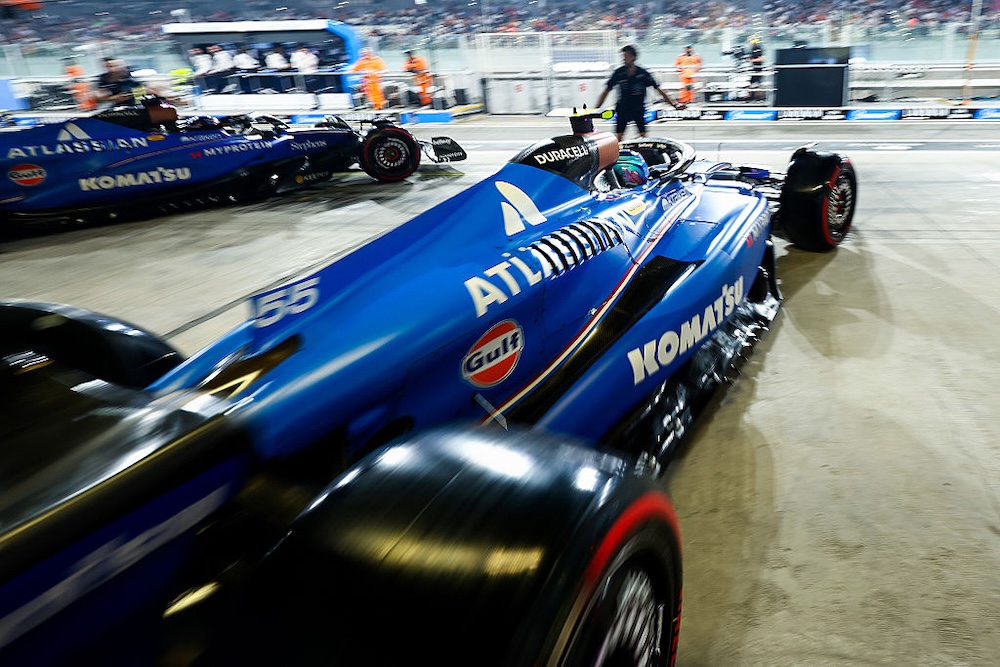
The good: Williams replicated the job it did with its 2024 car, only this time without the weight issues that held it back a year ago. Quick out of the box, a competitive car was put to full use by a sensational Alex Albon for the first two thirds of the season – including three top-five finishes in the first seven races – and P5 was almost a formality by the summer.
Carlos Sainz was always going to be a great addition, but after a tough start he also showed his value in the latter part of the year, with two excellent podiums and a third place in a Sprint in Austin. The car remained quick on certain tracks even without upgrades, and some impressive engineering was backed up by faultless driving from the Spaniard, at a time when Albon was struggling for consistency.
The bad: It did take a while for Sainz to get the results he and the car were capable of, and although that was partly to be expected given the switch in teams, it was also partly due to poor execution at times in the first half of the year.
Albon’s drop-off in form after the end of the European season was also a real surprise, and more concerning was the fact that he and Williams couldn’t turn it around by the end of the year. There was also the double-disqualification from qualifying in Singapore that could have been costly, and rarely did both sides of the garage click on the same weekend.
We use cookies to ensure that we give you the best experience on our website. If you continue to use this site we will assume that you are happy with it.